The Plain-English Guide
What is a smart home,actually?
We have installed over two hundred of them across London since 2014, and we still watch people buy the wrong thing because nobody gave them a straight answer. This is that answer — what a smart home is, what it is not, what it costs, and the one test that separates a real system from a box of gadgets.
The Short Answer
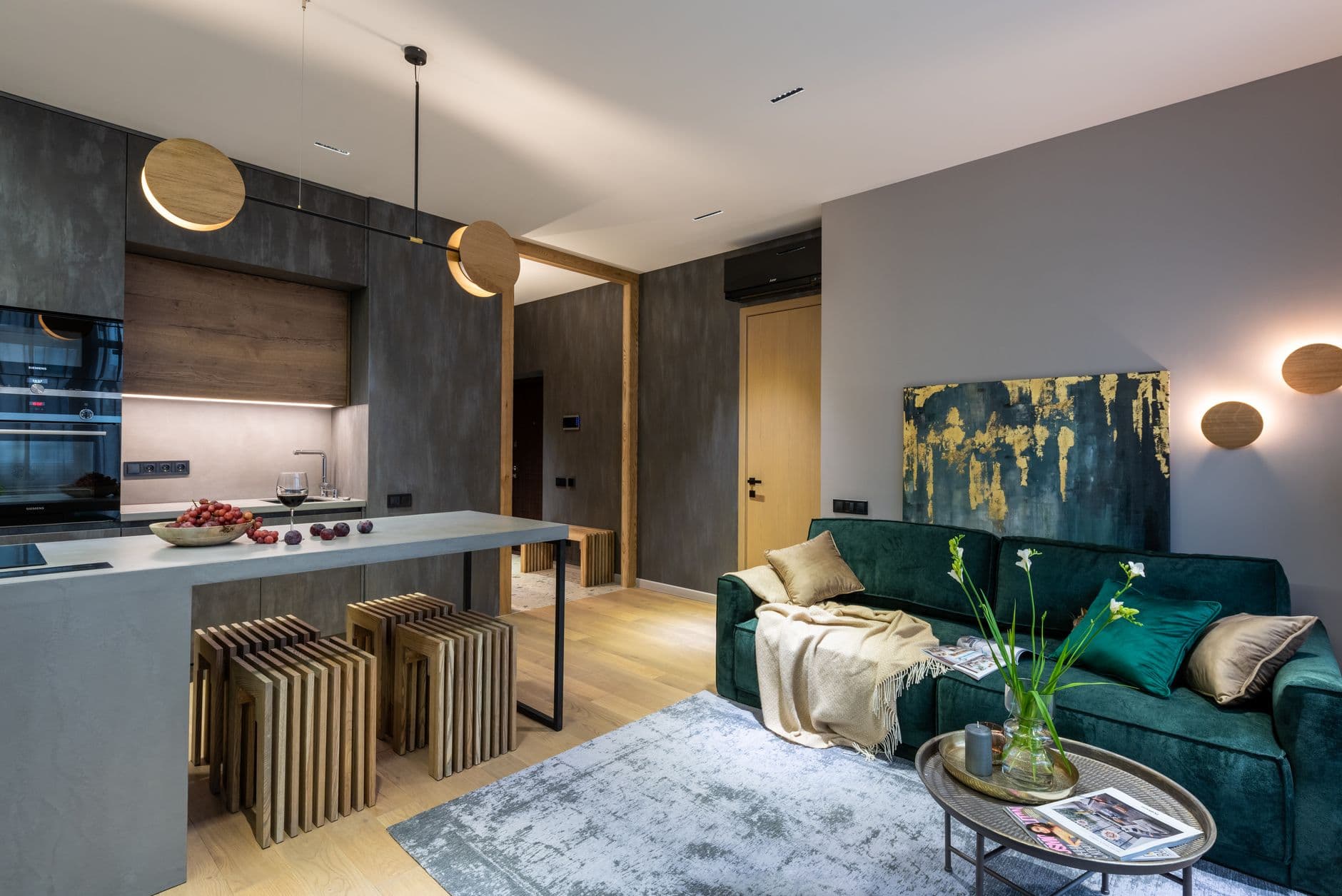
A smart home is a house whose systems — lighting, heating, blinds, security, music — are connected to one controller that runs them automatically, reacting to time, weather, and who is home. The point is not that you can control everything from your phone. The point is that you mostly don't have to.
That second sentence is the one the industry keeps getting wrong, so it is worth sitting with. A house where you open an app to turn the lights off is not smart — it has just moved the switch somewhere less convenient. Your grandmother's light switch needed one press from wherever she was standing; an app needs your phone, a thumbprint, the right screen and a scroll. That is a step backwards dressed up as progress.
A smart home earns the name when things happen without anyone asking. The heating in each room follows the family's actual routine rather than a boiler timer from 1987. Lights come on at dusk — real dusk, from the sun's position, not a timer that is wrong by June. Blinds drop before the afternoon sun turns the kitchen into a greenhouse. When you leave, one press by the front door shuts the whole house down, arms the alarm, and starts recording. Whole weeks pass where nobody opens the app at all — and that, oddly enough, is what success looks like.
What a Smart Home Is Not
A drawer full of gadgets is not a smart home

The path most people take goes like this. An Alexa arrives one Christmas. Then a couple of smart plugs, a Ring doorbell, some colour-changing bulbs, a Hive thermostat when the boiler is replaced. Each one is fine on its own — we are not snobs about Hive, it does its one job perfectly well. But five brands means five apps, five accounts, five cloud services in five data centres, and precisely zero of them talking to each other. The doorbell doesn't tell the lights someone is home. The thermostat doesn't know a window is open. When the broadband drops, half of it stops working; when a company discontinues a product — and they do, with depressing regularity — you find out your light switches had a lifespan.
We get called to a version of this house every month or so. The brief is always the same phrase: “we've got all this stuff and none of it works together.” The fix is never another gadget. It is the thing the gadgets were missing all along: one system underneath, with the devices as its hands and eyes rather than fifty little fiefdoms.
The honest exception: if all you want is to ask a speaker for the radio and switch a lamp off from bed, a £100 of kit does that, and you do not need us. The gadget route only becomes a trap when you try to scale it into something it structurally cannot become.
What It Feels Like
A Tuesday in an automatedNorth London house.
Composite of homes we look after, but every behaviour below is real, programmed, and running today. Notice what is missing: nobody opens an app.
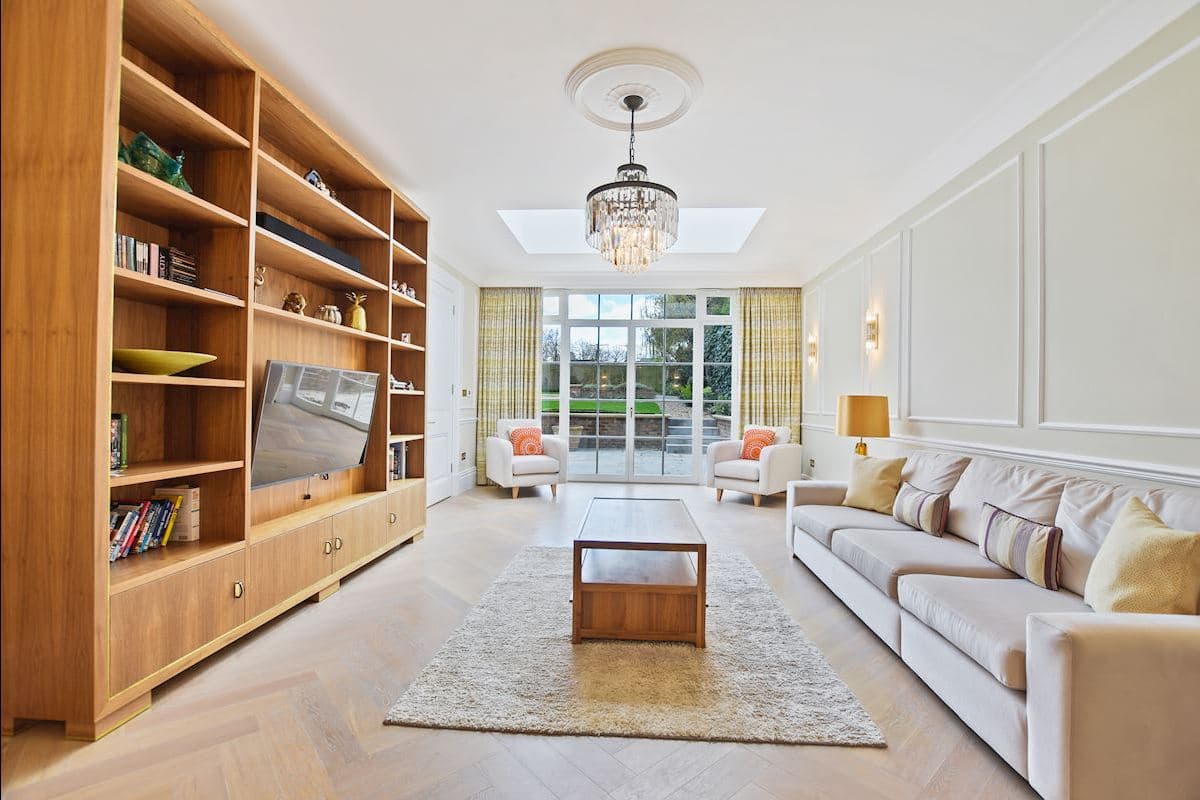
Not a showroom — 60 Sheldon Avenue, one of our finished North London installations. See the full project
The bedroom lights fade up over ten minutes instead of snapping on, and the bathroom underfloor heating started forty minutes ago because it knows when the alarm is set.
Last person out the door. One press on the switch by the front door: heating drops to eco, every light goes off, the alarm sets itself, and the cameras start paying attention.
Nobody home. The south-facing blinds drop halfway on their own because the room behind them hit 24° — the house reads the weather forecast and its own thermometers, not a schedule.
The alarm disarms for a recognised phone, the hallway comes on in warm white, and the heating has already brought the kitchen back up because it saw the calendar, not because anyone touched an app.
One press, everything off — except the porch light, which holds until the sensor sees no more movement on the street side. If a window is still open anywhere, the switch blinks to tell you.
Under the Bonnet
How a smart home actually works

Strip away the marketing and every real smart home has the same four layers. There is a brain — a small controller in the cupboard with the fuse board; in our installations it is a Loxone Miniserver, a box about the size of two paperbacks. There are senses — presence sensors, thermometers, a weather feed, door and window contacts, the odd camera. There are hands — the relays and dimmers that physically switch circuits, drive blind motors, open valves. And there is a nervous system connecting them: cables if the walls are open, wireless if they are not, usually both.
The layer people fixate on — the app, the touch panels, the voice control — is just the front door to all that. It matters far less than the wiring diagram behind it. Which brings us to the two questions that actually decide whether a system will still be serving you well in 2036.
First: where does the thinking happen? In a locally processed system the logic runs on that box in the cupboard, in your house, owned by you. In a cloud system it runs in a data centre, rented. We demonstrate the difference the same way at every survey: pull the internet cable and watch. A Loxone house carries on exactly as before — every automation, every switch, every scene — losing only remote access from outside. A cloud-dependent house goes quiet. Broadband fails rarely, but companies discontinuing products, changing terms, or adding subscription fees to features you already paid for — that happens constantly, and local processing is immunity to all of it.
Second: who can work on it later? Some platforms keep the programming with the dealer who installed it, which is fine until you fall out with them or they close. We took a deliberate position on this: with the system we install, the configuration lives on the controller in your house and any certified partner can take it over. We have adopted plenty of orphaned systems over the years; we would rather nobody ever be trapped with us either. If you are weighing up the different platforms — Loxone, KNX, Control4, Crestron — we keep an honest side-by-side comparison that names where each one wins.
The Scope
What one systemcan take over.

Lighting
Scenes and circadian dimming from your existing switch positions — the feature owners tell us changed the house most.
Heating & hot water
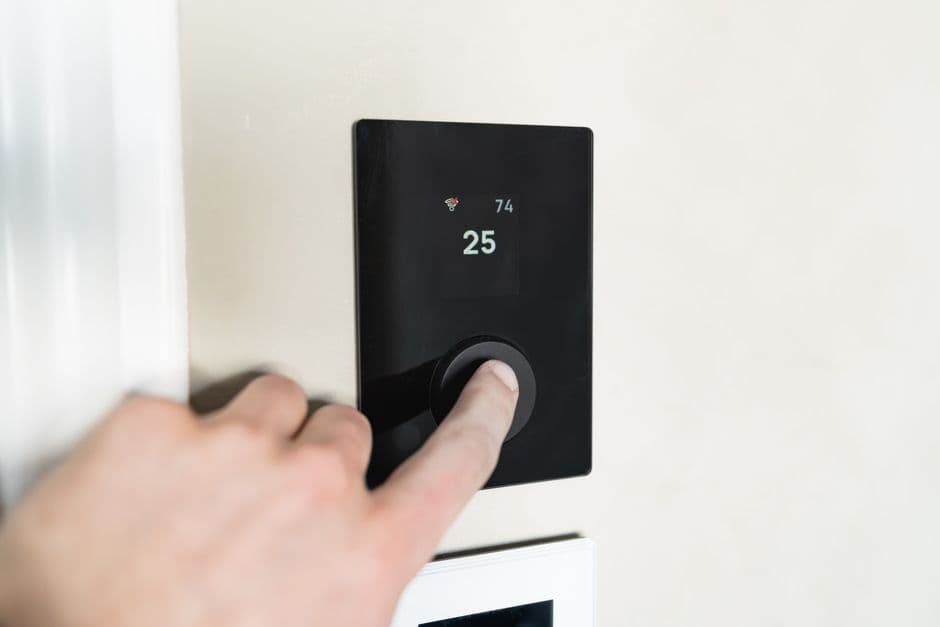
Every room on its own schedule. This is where the heating saving comes from — the bigger the house and the more rooms that sit empty, the bigger the saving.
Security
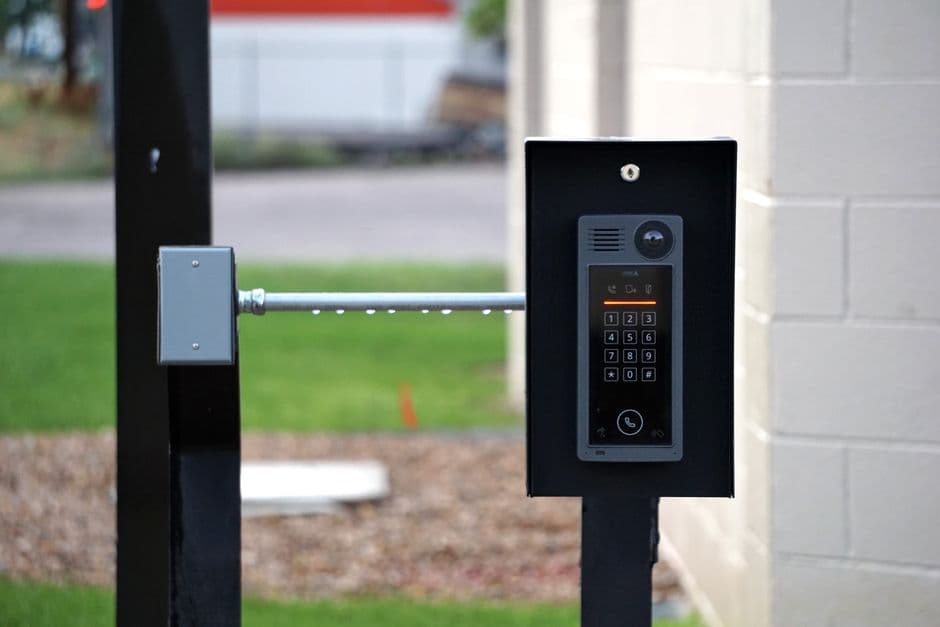
Alarm, cameras and locks that arm themselves when the house empties and show you photo-verified alerts.

Blinds & shading
Sun-position tracking, overheat protection, privacy at dusk. The most underrated automation we install.
Audio
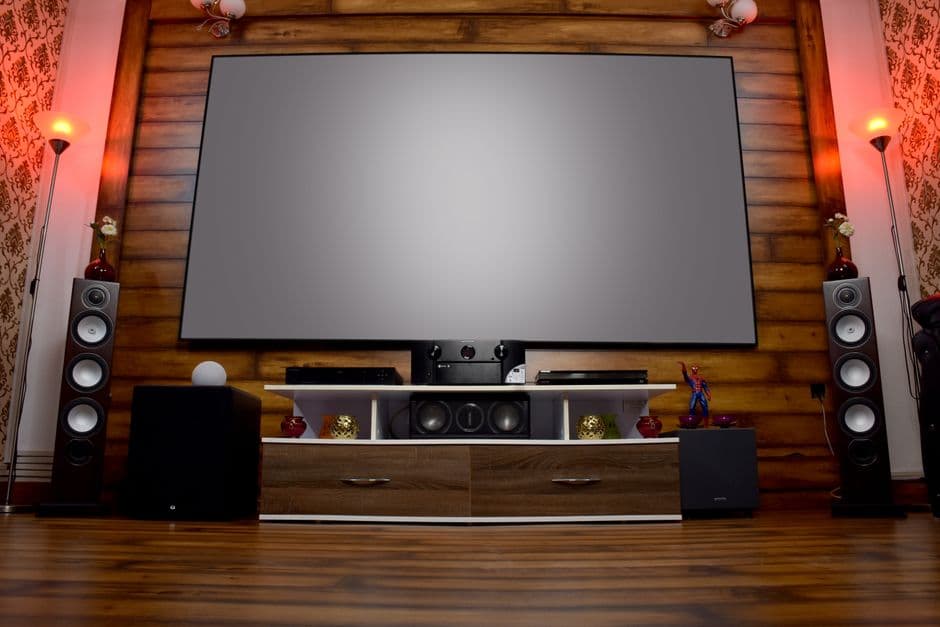
Multi-room music built into the same system — the wake-up scene can open the blinds and start the radio together.

Energy
Solar, battery and EV charging steered around your tariff — increasingly the reason people call in the first place.
The Money Question
What a smart home costs, honestly
The gadget route costs hundreds of pounds and a lot of your evenings. The professional route, from our own London price book: a 2–3 bed flat with automated lighting and room-by-room heating lands between £8,000 and £15,000. A 3–5 bed family home with whole-house automation, audio and security is £15,000 to £40,000 — this is where most of our projects sit. Large or listed properties with everything automated start at £40,000. After that, on the system we install, the running cost is zero — no subscriptions, free updates, and the full cost breakdown is public. For a number specific to your home, the free calculator takes about a minute and doesn't ask for an email address.
Is it worth it? We are the wrong people to ask neutrally, so here is the least salesy version we can manage. The heating savings are real and measurable — Loxone's Energy House trials documented up to 51% on heating and cooling, and on a large London house previously run off one thermostat the saving compounds into serious money over a decade. A small, well-insulated flat saves much less; we will tell you which you have. The property-value effect is real but only for documented, subscription-free systems. And the daily-comfort part is unmeasurable and, according to the clients we have served since 2014, the bit they would actually pay for twice. But a smart home will not fold your washing, and anyone who tells you it pays for itself in two years is selling something.
Where to Start
Three starting points, depending on your house
If you are building or gutting a house: decide now, before first fix. Cabling costs a fraction during a build of what it costs after, and the wiring choices outlast every gadget you will ever buy. Our new-build wiring guide covers what to run and where while the walls are open.
If you live in a finished house: you are a retrofit, like roughly half our projects, and wireless devices behind the existing switches mean no walls come down — Victorian terraces and listed buildings included. The practical walkthrough of how a project runs, survey to handover, is on our smart home installation in London page.
If you are still just curious: the two-minute readiness check tells you which of those camps your home falls into, and our finished projects show what the result looks like in real London houses rather than showrooms — the Station House warehouse conversion is a good place to start.
Questions
The questions people actually ask us
What is a smart home, in one sentence?
A smart home is a house whose lighting, heating, security and other systems are connected to one controller that runs them automatically — reacting to time, weather, and who is home — rather than waiting for you to operate each one from an app.
What is the difference between a smart home and home automation?
In practice, nothing — installers use the terms interchangeably. "Home automation" tends to describe the logic (schedules, scenes, rules) and "smart home" describes the result, but a company advertising either one is selling the same job: design, devices, wiring or wireless, and programming.
Do I need the internet for a smart home to work?
It depends entirely on the system, and it is the single best question to ask before buying. Cloud-based gadgets stop working or lose features when your broadband drops. A locally processed system — Loxone is the one we install — keeps every automation running with the internet off; you only lose remote access from outside the house. We demonstrate this in person by pulling the router cable, because it is the clearest difference between a system and a set of gadgets.
How much does a smart home cost in the UK?
DIY gadgets: hundreds of pounds, plus your evenings. A professionally installed system in London: £8,000–£15,000 for a flat or starter system, £15,000–£40,000 for a typical family home, £40,000+ for whole-house automation in a large property. Those are our real ranges across 200+ installations, and our free calculator gives a figure for your own home in about a minute.
Is Alexa a smart home?
Alexa is a voice interface, not a smart home. It can switch things on and off by voice, which is genuinely useful, but nothing happens unless someone asks. A smart home makes the decisions itself — heating down when a window opens, lights to warm white at dusk, blinds down when the afternoon sun overheats the south side. Voice control can sit on top of a real system; it cannot replace one.
Can an old house become a smart home?
Yes — about half our installations are retrofits into existing London homes, including Victorian terraces and listed buildings. Wireless devices fit behind the existing switches, so the original plaster, panelling and fittings stay untouched. New builds and full renovations get wired infrastructure instead, which is more robust and cheaper to do while the walls are open.
Do smart homes add value to a property?
A documented, professionally installed system with no subscriptions is an asset a buyer's surveyor can understand, and estate agents we have spoken to increasingly list automation as a feature in the £1m+ bracket. An undocumented DIY tangle is, if anything, a liability. We wrote up what the data says on this — the honest answer is "yes, if it is done properly".
Easier to show than to explain.
A free survey at your home, or a working system demonstrated in person — including the internet-off test. Either way you'll leave knowing exactly what a smart home means for your house, with an itemised figure attached.